In today’s fast paced business landscape, small businesses or micro enterprises need every edge they can get. The cloud computing world emerges as a game changer, offering innovation, efficiency and scalability without breaking the bank. In my last blog post, I wrote about how tech can help accelerate growth in small or micro businesses. Today, I will explore how small businesses or micro enterprises can leverage cloud resources. I will define different models of cloud. I will also discuss how businesses can adopt cloud use for business growth.
Cloud/Resources/Models?
Cloud in this context refers to the model in which businesses can access computing services over the internet rather than using local servers or personal computers. These services could be servers, databases, storage, networking, software’s, intelligence or analytics. This enables the business to access, store and manage data over the internet. This approach provides flexibility, scalability, and cost-effectiveness. It eliminates the burden of managing physical infrastructure.

Cloud resources refers to the various tools, services and capabilities offered through cloud computing platforms. These can be categorised into several types;
- Infrastructure as a Service (IaaS): This provides virtualised computing resources over the internet. This includes servers, storages and networks. Businesses can use IaaS to host websites, run applications and store data.
- Platform as a Service (PaaS): This allow developers to build, run, deploy and manage applications without the need of dealing with the underlying infrastructure. Examples include Microsoft Azure App Service, Google App Engine etc. Businesses can use PaaS to quickly create applications as it is a great choice.
- Software as a Service (SaaS): This delivers software application over the internet on a subscription basis. Examples include Office365, Google drive, Dropbox, Slack etc. Businesses can access SaaS applications via a web browser rather than downloading and running it from a hard drive on a specific computer.
- Storage Services: This provides cloud based storage solutions. Examples include Amazon S3, Google drive etc. Businesses can use storage services for data backup, archiving and file sharing.
- Database Services: This provides cloud based databases. Examples include Amazon RDS, Google Cloud SQL and Microsoft Azure SQL Database. Businesses can use database services to store and retrieve data.
- Security Services: This provides cloud based security solutions that helps businesses to protect data and applications. Example includes AWS Identity and Access Management, Microsoft Azure Security Centre etc
Embrace Cloud Advantage
Now that we understand cloud and its resources, we can explore their effective use. How can small or micro businesses leverage these resources to achieve their goals? These are some ways;
- E-commerce: It is very important for businesses to attract and retain customers. Cloud based hosting platform, website builders offers template making it easy for professional looking website without coding skills. A boutique owner can subscribe to one of the cloud hosting website to build an online business website using templates provided without any need for coding skills.
- Automation: Administrative tasks can be time consuming for businesses. The use of cloud based software tools can help automate repetitive tasks. I remember recommending Microsoft Power Automate to a business owner which assisted in mail management. This freed up time for the owner to engage in more strategic work and enhance productivity.
- Scalable Storage and Backup Solution: Micro businesses often struggle with storage cost due to limited budget. Cloud storage offers scalable storage options. It also provides a cost effective solution that can accommodate increasing amount of data as your business grows. I once recommended for a video designer to use Google Drive to store images and videos. This was a better solution than investing in expensive external hard drives.
- Collaboration and Communication: Cloud based collaboration tools enhances teamwork and productivity. I had once recommended to small marketing agency to use Google Workspace or Microsoft 365 for real-time document editing, sharing and collaboration. Also in my cloud community group, we use Slack, Zoom or Microsoft teams to share updates, hold virtual meetings and keep everyone on the same page.
- Backup and disaster recovery: Micro businesses are often vulnerable to data loss due to hardware failures, attacks or theft. Cloud based disaster recovery solutions offer a reliable way to back up critical data and guarantee business continuity. A local shop can save all their sales data in the cloud. This ensures that even if their local devices are damaged or stolen. The sales records and customer information are safe and be quickly restored.
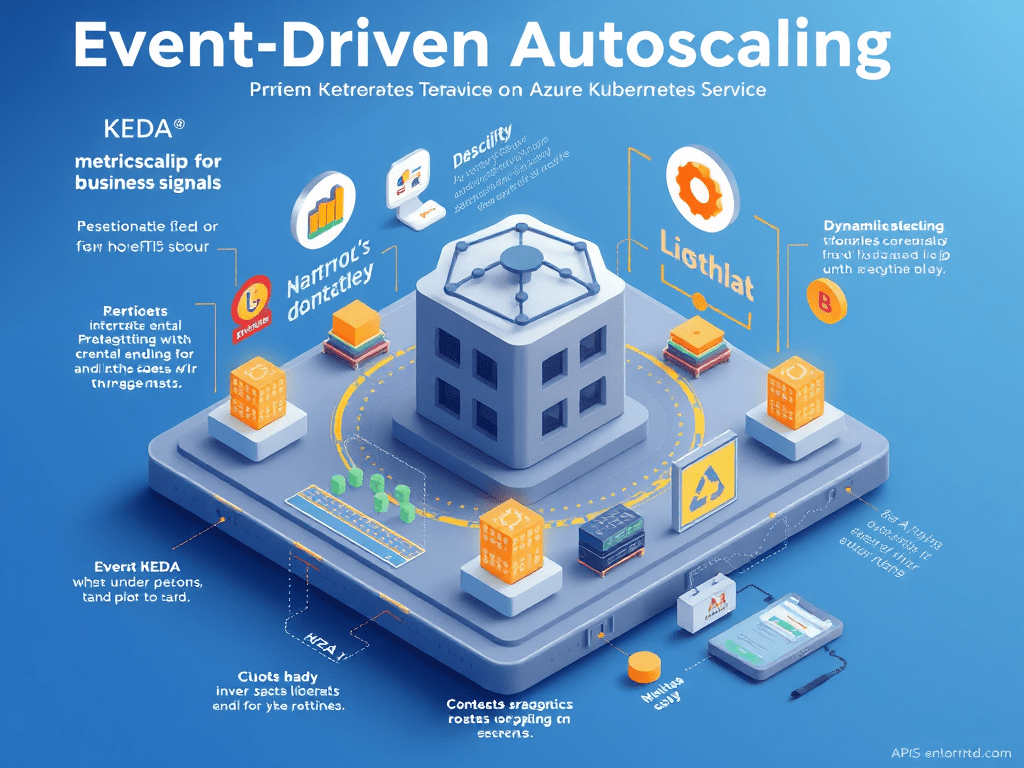
- Flexibility, Agility and Scalability: We all know that the business landscape is dynamic. Therefore, the cloud needs to provide agility, flexibility and scalability to meet business demands. One of the biggest advantages of cloud computing is that it adjusts to market responsiveness. It also optimises resources. Additionally, it can scale resources up and down based on market demand. A business can use Microsoft Azure to host its payroll application. By enabling auto-scaling capabilities, the business can automatically increase server capacity during high-demand periods and scale back during the off-season period.
- Cost Management: Most cloud resources use pay as you go method which means you only pay for what you use. This will help small businesses or micro businesses with managing cashflow and no capital expenditure. A micro business running a website can reduce costs by optimizing server usage during off-peak hours.
- Innovation: The use of cloud resources can allow small businesses to be competitive, innovative and access cut edge technologies. Businesses can access cut edging technology like AI and analytics. An online bookstore can use cloud powered recommended algorithm to boost sales and customer satisfaction.
Adopting the Cloud
- Understand your business needs: Before adopting the cloud, its important to understand your specific business needs. What are your pain points? What are your goals? etc
- Chose the right cloud service model: As explained above, you will need to chose the appropriate cloud service model(IaaS, PaaS, SaaS) that fit your business needs.
- Adopt Cloud Storage solution: Micro businesses must use cloud storage services like Google Drive, Dropbox or OneDrive. These services are essential for storing documents and files. It is also imperative to implement a cloud based backup solution. This guarantees your data is safe from hardware failures. It also protects against ransomware attacks or natural disasters.
- Leverage Cloud based business application: Use of cloud based applications can help to automate tasks. They can define processes. They can also assist in business growth. Eg use of accounting software’s, CRM systems and automation features to reduce manual work.
- Enhance Security: Businesses should prioritize cloud providers that have strong security measures and compliance. They should patronize cloud providers that offer built-in security features like encryption. They should make sure data is encrypted both at rest and in transit. Additionally, they should implement continuous monitoring tools to detect and respond to security threats.
- Disaster recovery and business continuity: Businesses or micro enterprises can implement Disaster Recovery solutions. This guarantees business continuity in case of disasters. They should also set up automated backups for critical systems and data. This involves replicating your data and applications to the cloud.
- Manage Cost efficiently: Managing cost is key for businesses. It is better to use cloud services since it operates on a pay-as-you-go model. Use of budget and forecasting tools to track and control costs help as you only pay for what you use, Cost management tools also helps to avoid unnecessary expenses (I will be talking about this in subsequent blogs.
- Stay updated with latest cloud offerings: Cloud technology evolves rapidly. Follow cloud provider blogs, regularly attend webinars and join in relevant training to stay updated with the latest features and best practices. I will also recommend to experiment and innovate with cloud resources to new business ideas, products and services. Many cloud providers offer free tiers or credits for start-ups and small businesses to explore their services.
- Seek advice if necessary: Managing cloud infrastructure can be complex and it is okay to seek help. If as a business or micro enterprise, cloud management is outside your skillset, consider seeking a cloud consultant. Please feel free to reach out to me. I can help design, implement, and manage your cloud environment. I will ensure it aligns with your business objectives.
Conclusion
Leveraging cloud resources effectively can give small and micro-enterprises a significant competitive edge. By adopting cloud based solutions, micro businesses or small enterprises can focus on their core activities. They can respond quickly to market demands. They can also provide better services to their customers. The cloud is not just a trend, it is a strategic asset. When used effectively, it can unlock new levels of success and opportunity.
Remember, the cloud isn’t just about technology, it’s about empowering your business. Choose wisely, stay agile and watch your micro business thrive.
If you are a small business or micro enterprise owner, please feel free to share your cloud adoption process and challenges. Share any call to action for intending owners who will like to use cloud for their businesses. Thank you for the read!!!!


 Adedeji Awolesi
Leave a comment