-
Continue reading →: Automating Azure Tagging with Policy, Managed Identity, and Resource Group Inheritance
In the first part, I focused on the FinOps problem: tagging was really a data-quality problem. In the first part, I focused on the FinOps problem: tagging was really a data-quality problem. The next question was: How do we make Azure fill in missing business context automatically without overwriting values…
-
Continue reading →: From Untagged Resources to 99.9% Coverage: Building an Automated Azure Tagging Strategy for FinOps
“You can’t optimize what you can’t identify. Before cloud cost becomes a Finance problem, it is first a data problem.” Introduction One of the first things you learn when working with cloud costs is that seeing how much you spent is not the same as understanding what you spent it…
-
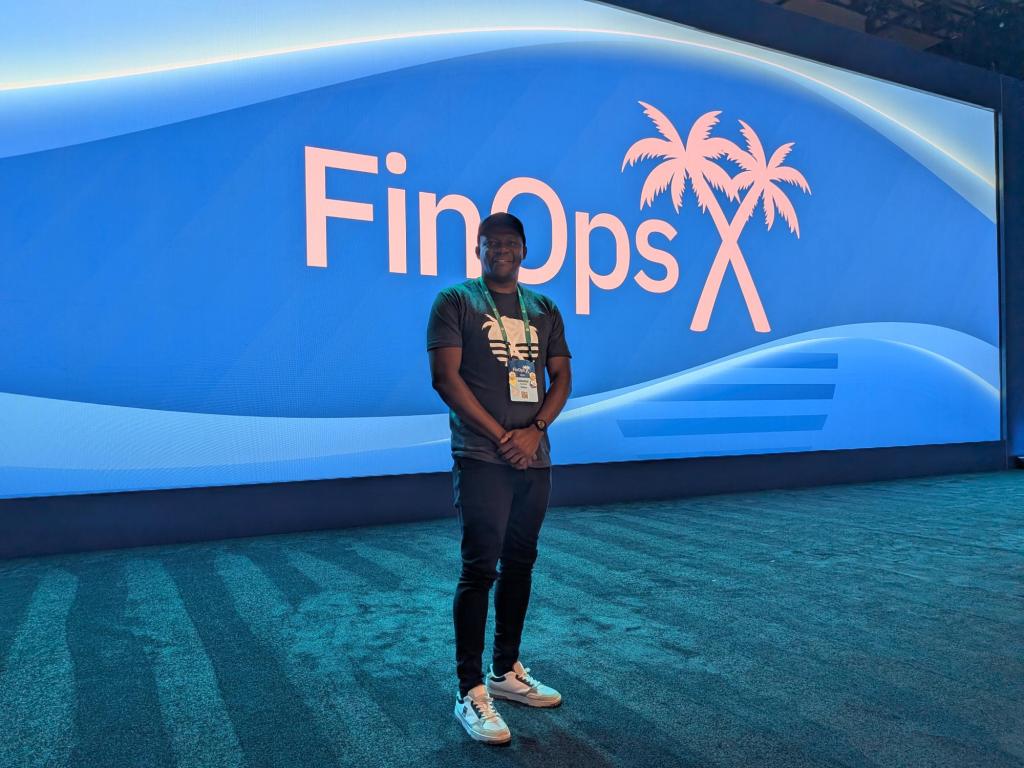 Continue reading →: FinOps X 2026 – New Era for Agentic AI and Tokenomics
As I travelled to FinOps X 2026, I found myself reflecting on how much my FinOps journey has evolved over the years. From attending as a practitioner eager to learn, to speaking at industry events, leading FinOps initiatives for clients, building communities and helping organisations across different regions adopt FinOps…
-
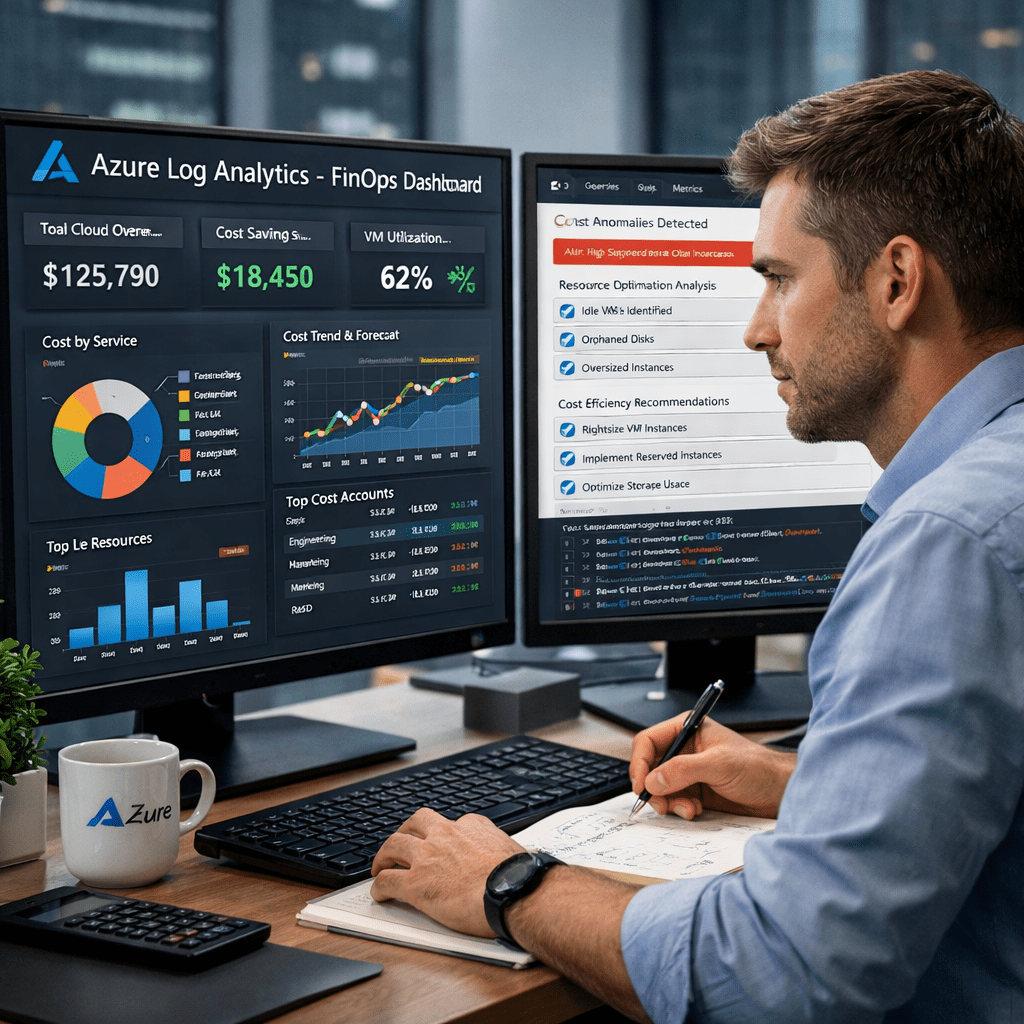 Continue reading →: Understanding Is Optimising
In FinOps, there is a rule I keep coming back to: you cannot optimise what you do not understand. Not really. You can cut things blindly, but that is not optimisation, that is guessing with consequences. The Bill That Surprised Everyone I have been in Azure subscriptions where Log Analytics…
-
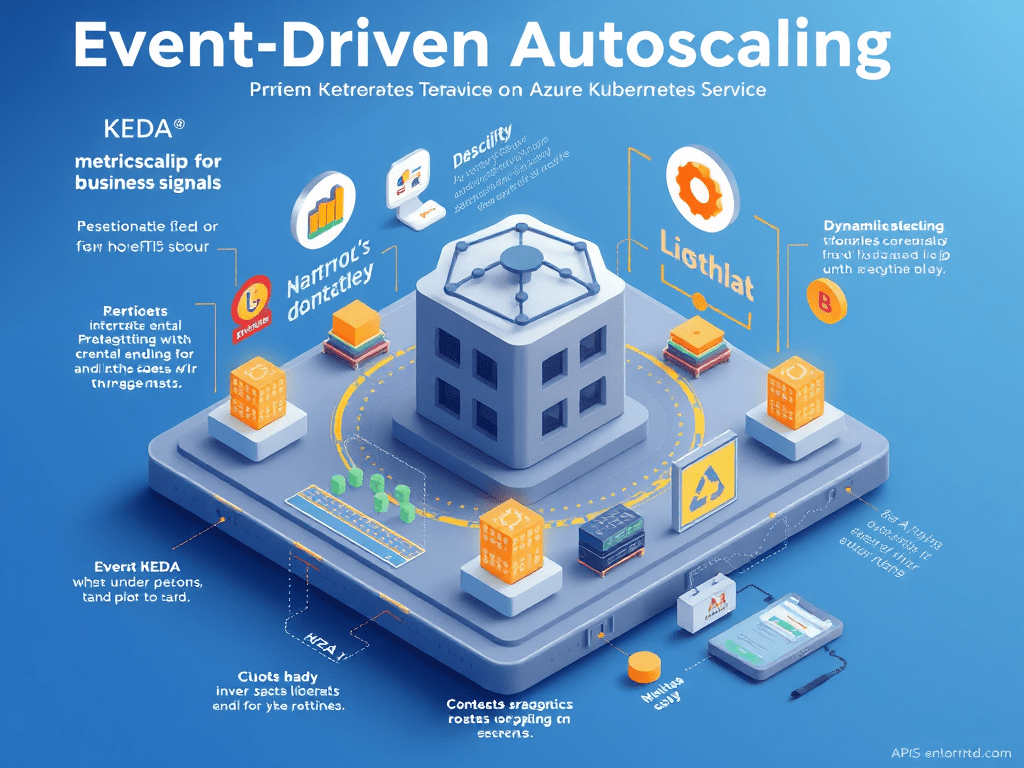 Continue reading →: Beyond CPU: Event-Driven Autoscaling on AKS with KEDA
Series context: This is the Part 2 of AKS autoscaling series. In Part 1 we built a Node.js loan calculator API, deployed it to AKS, and set up HPA and VPA. This post picks up from that same cluster and app. If you’re starting fresh, the prerequisites section has you…
-
 Continue reading →: Scaling Your Apps on AKS: A Hands-On Guide to HPA and VPA
Who this is for: Developers and DevOps engineers who know their way around Kubernetes (pods, deployments, services) but are new to autoscaling on Azure Kubernetes Service (AKS). We’ll simulate real traffic pressure and watch your cluster respond automatically. The Scenario You work at a fintech startup. Your team runs a…
-
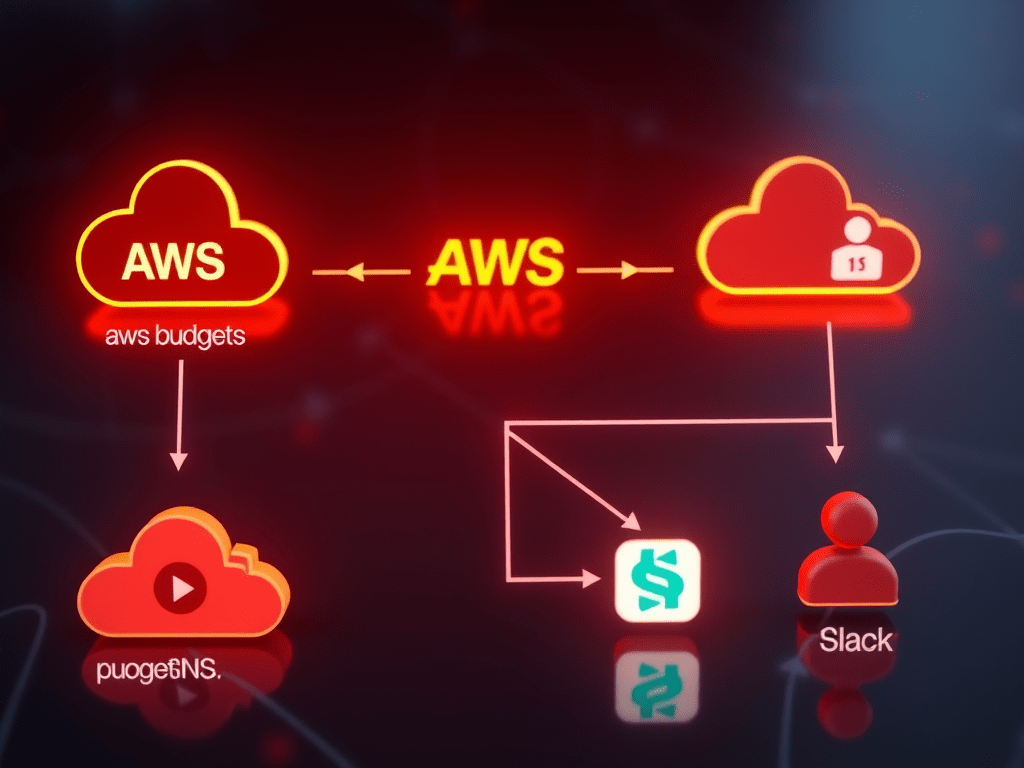 Continue reading →: AWS FinOps Budget Alerts on Slack
This comprehensive guide shows you how to set up AWS cost budget alerts delivered to Slack. You’ll receive real-time notifications when your AWS spending exceeds defined thresholds, helping you monitor cloud costs more effectively. Architecture Overview Complete Flow How It Works AWS Budgets tracks your spending against defined limits Amazon…
-
 Continue reading →: How to Create and Deploy a Diabetes Prediction Model in Azure
Want to deploy a machine learning model but don’t know where to start? This guide walks you through everything, from creating your Azure workspace to having a live API that predicts diabetes risk. We’ll build an automated ML pipeline that trains a RandomForest classifier on the diabetes dataset, then deploy…
-
 Continue reading →: Beginner’s Guide to Deploying Machine Learning Models on Microsoft Azure
So you’ve trained a machine learning model and now you want to deploy it so others can use it? This guide will walk you through deploying a scikit-learn model to Azure Machine Learning using the Azure Portal – no complex code required for deployment! By the end of this tutorial,…
-
Continue reading →: AWS Cost Visibility Guide for FinOps Success
Cost visibility is the foundation of the FinOps Inform stage, enabling organizations to understand where cloud spending occurs and who’s responsible for it. In this hands-on guide, we’ll build a complete cost visibility solution on AWS by deploying tagged resources with Terraform and creating department-specific dashboards in AWS Cost Explorer.…
Hello,
I’m Adedeji

I am a Microsoft MVP. Welcome to my blog. On this blog, I will be sharing my knowledge, experience and career journey. I hope you enjoy.
Let’s connect
Join the fun!
Stay updated with my latest blogs and ideas by joining my newsletter.

